FCL Container Shipping From China to the United States
Full container loads, cleared and delivered door to door under one all-in rate. Below is exactly what we handle, what it costs and what you need to prepare.
Your Cargo. Your Container. No Sharing.
In an FCL shipment, the container is loaded at your supplier’s factory and sealed. Nothing is added, nothing is removed, and nothing else travels with your goods. That is why FCL is the default choice for importers shipping more than 15 cubic meters — the per-unit cost is lower, damage risk is minimal and the paperwork is simpler.
We book directly with OOCL, COSCO, CMA CGM, Maersk, ONE and Yang Ming, so your container moves on a confirmed sailing rather than a roll-over waiting list.
- Loaded and sealed at origin — no co-loading
- Best cost per cubic meter above 15 CBM
- FOB, EXW and DDP terms available
- Container tracking from loading to delivery
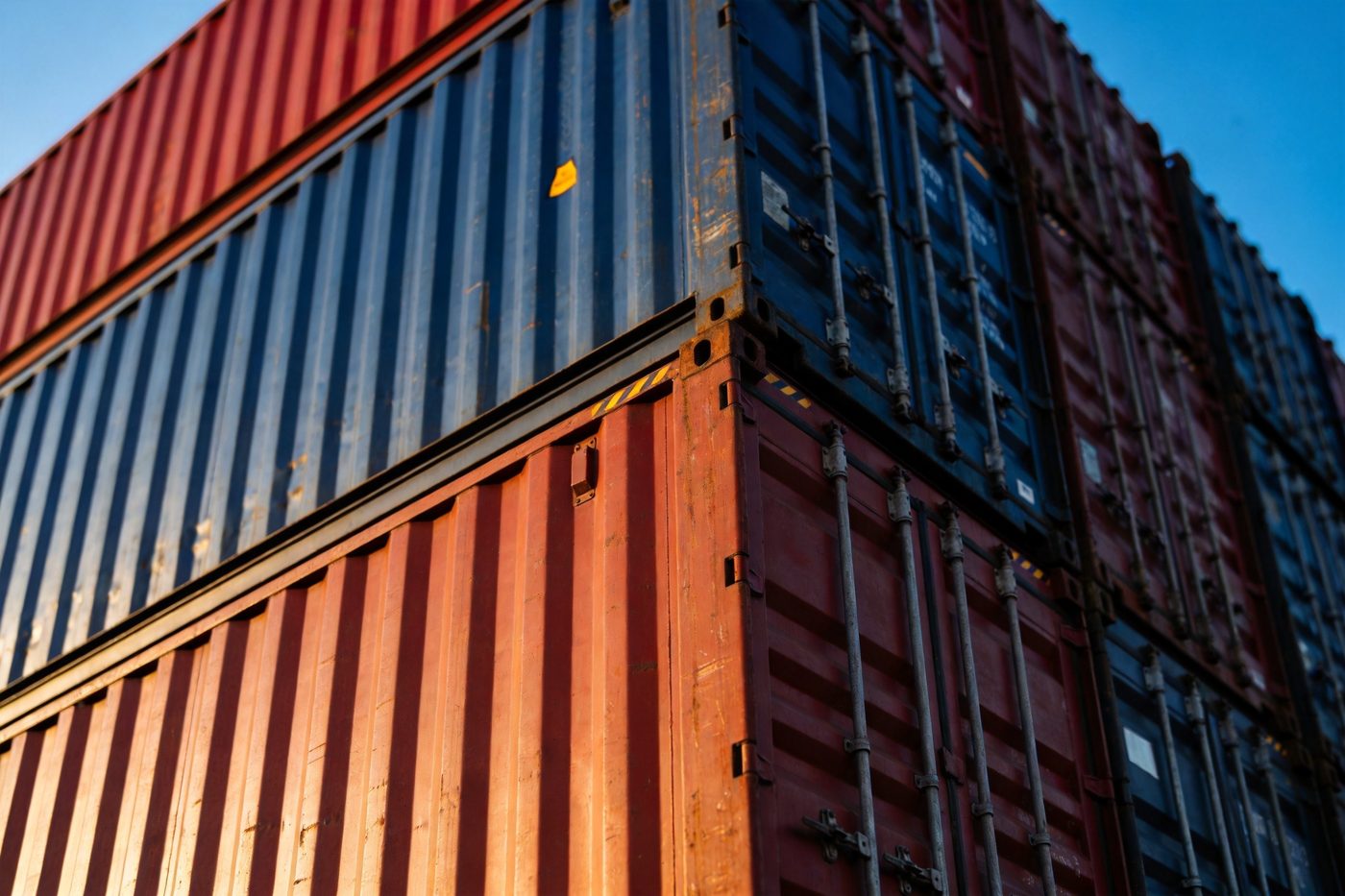
Which Container Do You Need?
Most China-to-US importers ship in a 40HQ. The table below shows the practical capacity of each size so you can estimate how much cargo fits.
| Container | Internal Capacity | Max Payload | Best For |
|---|---|---|---|
| 20GP — Standard | 33 CBM / 1,170 cu ft | ~28,200 kg | Dense, heavy cargo — machinery, tiles, hardware, liquids |
| 40GP — Standard | 67 CBM / 2,350 cu ft | ~26,700 kg | General goods where height is not a constraint |
| 40HQ — High Cube | 76 CBM / 2,690 cu ft | ~26,500 kg | Furniture, appliances, cartons — most popular size |
| 45HQ — High Cube | 86 CBM / 3,030 cu ft | ~27,600 kg | Light, bulky cargo where every cubic meter counts |
Payload limits vary by carrier and road regulations in the destination state. We confirm the exact limit before booking.
What Door-to-Door Actually Covers
Under DDP terms we act as the importer of record. You do not need a US company, an EIN, a customs bond or a customs broker — we handle all of it and invoice you once.
1. Factory Pickup
Truck collection from your supplier in mainland China, including loading supervision and container sealing.
2. Export Declaration
Export customs filing, commodity inspection where required, and the full export document set.
3. Ocean Freight
Space booked directly with the carrier, with the vessel, voyage and B/L number confirmed before departure.
4. US Customs Clearance
ISF 10+2 filing, entry submission, HTS classification and release through our licensed customs broker.
5. Duty & Fees
Section 301 tariffs, MPF, HMF and any applicable anti-dumping duties paid on your behalf before release.
6. Final Mile Delivery
Container drayage and trucking to your address, with live unload, liftgate or residential delivery on request.
Smaller Shipments, Charged by the Cubic Meter
If your cargo is under roughly 15 cubic meters, booking a full container usually costs more than the goods justify. In that case we consolidate your shipment with other importers’ cargo in the same container and charge you only for the space you use.
LCL runs on a weekly consolidation schedule from Ningbo and Shanghai. Transit is typically 5 to 10 days longer than FCL because of the de-consolidation step at destination, and door-to-door delivery is available on qualifying shipments.
Which one should you pick? Under 15 CBM, LCL is usually cheaper. Above 15 CBM, FCL wins on both cost and speed. Send us your volume and we will tell you honestly which one costs less — even when that means a smaller invoice for us.
Frequently Asked
Do I need a US company or an EIN to import?
No. Under our DDP service we act as the importer of record, which means we use our own bond and EIN to clear your cargo. You receive the goods and a single invoice. If you prefer to clear under your own entity, we can quote FOB or CIF terms instead.
How long does China to USA ocean transit take?
From Ningbo or Shanghai to Los Angeles, typical port-to-port transit is 14 to 18 days. To New York or Savannah it is 30 to 38 days via the Panama Canal, or 26 to 30 days via Suez. Add 3 to 7 days for inland rail or trucking to your final address. These are planning ranges, not guarantees — actual transit depends on the carrier’s rotation and port congestion.
What documents do you need from me?
A commercial invoice, a packing list and the HS code if you have it. That is enough to start. We prepare the bill of lading, ISF filing and entry documents on our side.
Are duties included in the quote?
For DDP shipments, yes. We calculate the duty based on the HS code and declared value and include it in the all-in rate. If the classification changes after inspection, we tell you before the container is released rather than after.
Can you deliver to a residential address or Amazon FBA warehouse?
Yes. Residential delivery may require a liftgate and prior appointment, which we arrange. FBA deliveries are scheduled through the carrier’s appointment system, and we provide the delivery confirmation and POD you need for your records.
What happens if my container is inspected by customs?
We notify you the same day, explain what the exam involves and cover the coordination with the terminal and the broker. Exam fees are charged at cost with the terminal receipt attached.
Need a Rate for Your Container?
Tell us the pickup city, delivery zip code and cargo ready date. You will get an all-in FCL rate with transit time, usually the same business day.